calf stretching exercises pdf
Overview of Calf Stretching PDF
This PDF guide offers concise calf‑stretch routines, step‑by‑step instructions, and visual aids to improve ankle mobility. It targets athletes and everyday users, providing safe, effective stretches to prevent tightness and related foot issues Download now and start daily sessions for lasting results —no painNow
Purpose and Target Audience
Our calf‑stretching PDF is designed to give patients, athletes, and everyday walkers a clear, step‑by‑step plan for improving ankle flexibility and reducing calf tightness. The guide focuses on gentle, progressive stretches that can be performed at home or in a clinic setting, with or without equipment. It is ideal for anyone who experiences calf discomfort, stiffness, or pain that may affect walking, running, or daily activities. The PDF includes a simple “towel stretch” routine that can be done within minutes, making it convenient for busy schedules. By following the illustrated exercises, users can target the gastrocnemius and soleus muscles, helping to alleviate tension that often contributes to plantar fasciitis, Achilles tendinopathy, and other lower‑leg issues. The content is written in plain language, with clear instructions and safety reminders, ensuring that even beginners can perform the stretches correctly. The goal is to empower readers to take an active role in their own recovery and to prevent future injuries through consistent, mindful stretching practice.
Furthermore, the PDF includes a brief FAQ section addressing common concerns such as “How long should I hold each stretch?” and “Can I stretch if I have a recent injury?” It explains how to monitor progress, adjust intensity, and recognize signs of over‑stretching. The guide encourages consistency by suggesting a simple daily routine: a 5‑minute stretch before work, a 10‑minute session after exercise, and a 3‑minute cooldown at bedtime.
This concise guide fits any schedule.
Anatomy of the Calf Muscles
The calf comprises two main muscles: the gastrocnemius, which originates above the knee and crosses both the knee and ankle joints, and the soleus, which lies beneath it and attaches only at the ankle. Together they form the Achilles tendon, driving plantar flexion and stabilizing the foot during movement. daily use!!
Gastrocnemius and Soleus Functions
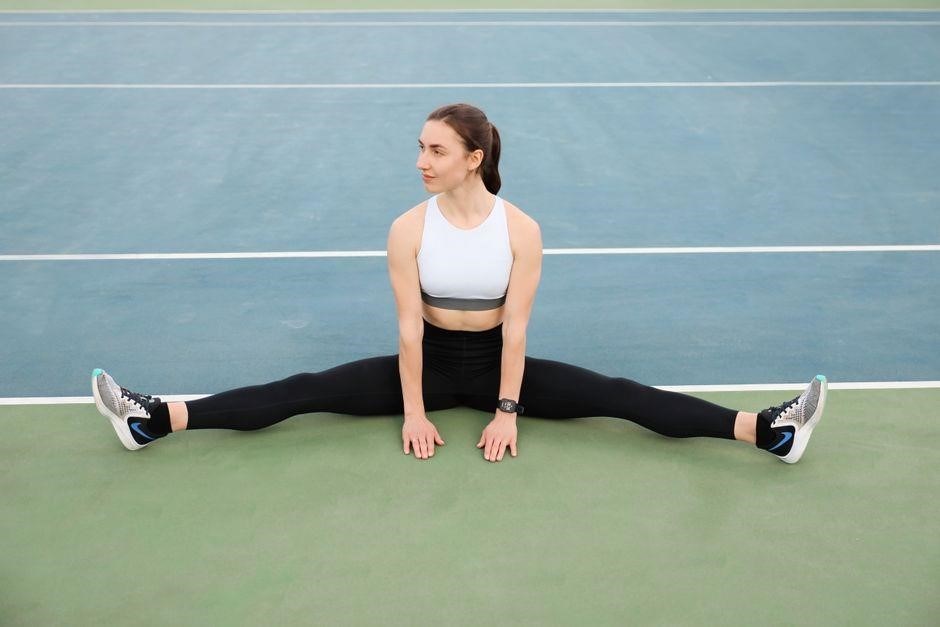
The gastrocnemius originates from the femur just above the knee joint and extends down to insert on the calcaneus via the Achilles tendon. Because it crosses both the knee and ankle, it contributes to knee flexion and ankle plantar flexion, making it essential for powerful, explosive actions such as sprinting, jumping, and climbing stairs.
The soleus lies deep beneath the gastrocnemius, attaching only to the tibia and fibula and also inserting on the calcaneus. It is the primary muscle responsible for maintaining posture during standing and for producing sustained, low‑intensity ankle plantar flexion during walking and running.
Together, these two muscles form the triceps surae group, which is the largest muscle mass in the lower leg and the most forceful plantar flexor in the human body. Their combined action through the Achilles tendon allows efficient transfer of muscular force to the foot, enabling push‑off, shock absorption, and balance.
Tightness or dysfunction in either muscle limits ankle dorsiflexion, alters gait mechanics, and can lead to secondary issues such as plantar fasciitis, Achilles tendinopathy, or knee pain. A balanced stretching routine that addresses both the gastrocnemius (with the knee extended) and the soleus (with the knee flexed) restores range of motion, improves functional performance, and reduces injury risk for athletes and everyday individuals alike. Consistency improves flexibility and!!
Common Calf-Related Conditions Addressed
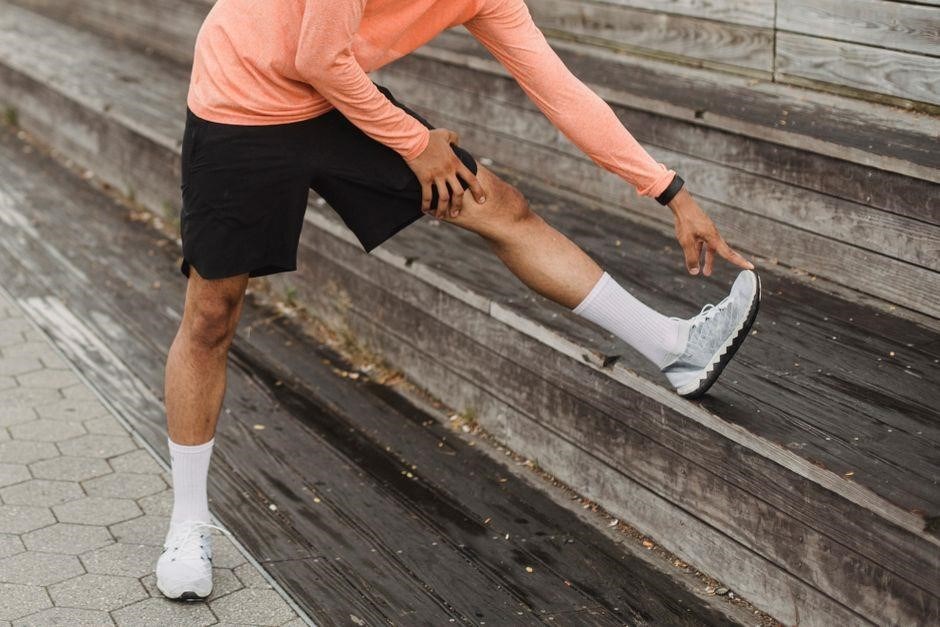
Calf stretching targets tightness that can trigger plantar fasciitis, Achilles tendinopathy, peroneal tendinitis, and tibialis posterior issues. Regular, gentle stretches improve ankle mobility, reduce pain, and support recovery for runners, hikers, and daily walkers. and support rehab for today daily!!—2026!!
Plantar Fasciitis and Achilles Tendinopathy
Calf stretching is a cornerstone in treating plantar fasciitis and Achilles tendinopathy because it lengthens the gastrocnemius and soleus, reducing dorsiflexion restriction and the strain that causes micro‑tears and inflammation in the heel and tendon. The PDF guide begins with gentle static holds—towel stretch, wall calf stretch, seated calf stretch—each held 15–30 seconds, then progresses to dynamic calf raises and eccentric heel drops. This progression builds tolerance, promotes collagen remodeling, and improves blood flow. Users monitor pain thresholds to keep stretches comfortable and avoid injury. For severe tendinopathy, a physiotherapist consultation is advised, and the guide recommends strengthening the tibialis posterior, peroneals, and core to support the ankle. By following this evidence‑based routine, patients can reduce pain scores, improve heel‑pain questionnaire results, and return to activity faster while lowering future injury risk. The guide encourages a stretch log to track pain levels and benefits, which can be shared with healthcare professionals for personalized adjustments. Consistent application empowers individuals to break the pain cycle, enhance performance, and maintain long‑term foot health.
The PDF outlines specific cues for each stretch: keep the heel firmly planted. It also explains how to integrate foam rolling after stretching to further reduce calf stiffness. For runners, the guide recommends performing the stretches twice daily—morning and evening—to maximize flexibility gains. The FAQ section addresses common concerns such as “Can I stretch if I have a recent ankle sprain?” and “How long before I notice improvement?” By following the structured plan and staying consistent, users can achieve measurable improvements in ankle range of motion, decrease plantar fascia tension, and maintain a healthy gait pattern daily now!.
Benefits of Regular Calf Stretching
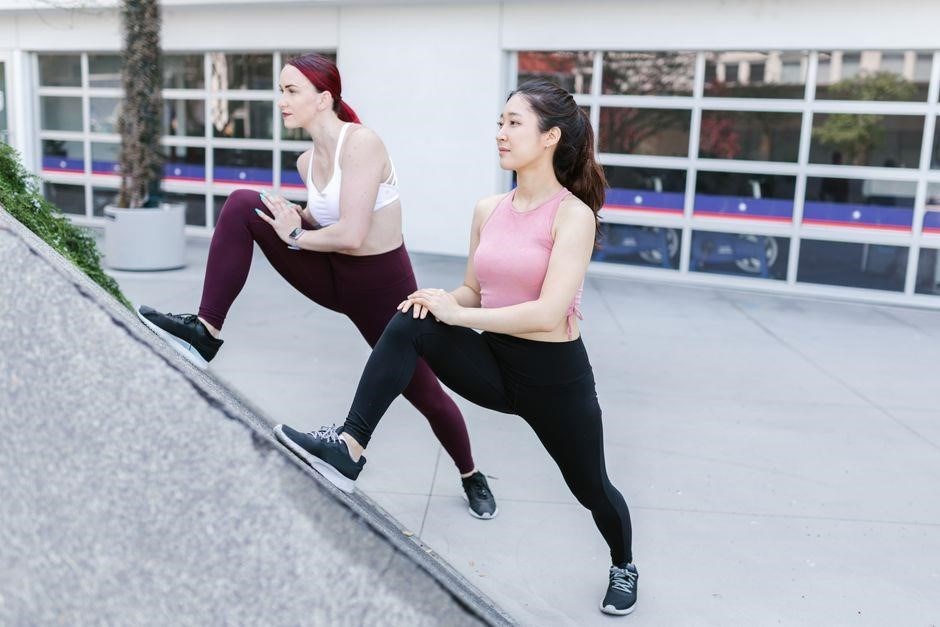
Regular calf stretching enhances ankle flexibility, reduces injury risk, and eases plantar fasciitis pain. It improves blood flow, supports tendon health, and boosts athletic performance. Consistent practice promotes joint stability, prevents stiffness, and supports overall lower‑body mobility. Daily routine.daily
Improved Flexibility and Injury Prevention
Stretching the calf muscles regularly expands the range of motion in the ankle joint, allowing the foot to dorsiflex more comfortably during walking, running, and jumping. This increased flexibility reduces the strain on the Achilles tendon and the plantar fascia, which are common sites of overuse injuries. By maintaining a supple gastrocnemius and soleus, the calf can absorb impact forces more efficiently, decreasing the likelihood of strains, tendonitis, and stress fractures in the lower leg. Consistent calf stretches also improve proprioception, helping athletes recognize subtle shifts in foot position and adjust their gait before a potential injury occurs. Moreover, a flexible calf supports better alignment of the knee and hip, distributing load evenly across the kinetic chain; The cumulative effect is a lower incidence of common sports injuries such as shin splints, plantar fasciitis, and Achilles tendinopathy. For everyday individuals, regular calf flexibility routines can alleviate chronic tightness that contributes to lower back pain and improve overall mobility, enabling more confident movement in daily activities. Incorporating these stretches into a balanced fitness program promotes long‑term joint health and resilience. Regular calf stretching also plays a crucial role in maintaining the elasticity of the posterior chain, which includes the hamstrings, glutes, and lower back. When these muscles remain flexible, they help prevent compensatory movements that can lead to knee pain or hip dysfunction. Moreover, regular calf stretching supports proper foot biomechanics, reducing excessive pronation and ensuring a stable base for all lower‑body movements, which is essential for both performance and injury prevention. By incorporating these stretches into daily routines, individuals can experience noticeable improvements in flexibility, comfort, and overall functional capacity over time. Keep going. Stay!
Exercises: This section presents a curated set of calf stretches, each described with step‑by‑step instructions, recommended hold times, and key cues to ensure proper form. Visual diagrams illustrate positioning for maximum effectiveness. Each exercise includes a brief video link, common mistakes to avoid, and a suggested progression chart to track improvement. Enjoy!!
Progression: A structured progression plan helps readers gradually increase stretch intensity and duration. It includes milestone markers, adjustment tips, and safety checks to avoid over‑stretching or strain. Progression milestones are tailored to individual flexibility levels, with clear indicators when to advance or hold a stretch.
FAQs: Common questions are addressed, covering topics such as frequency, pain thresholds, equipment needs, and how to tailor stretches to specific conditions like plantar fasciitis or Achilles tendinopathy. The FAQ section also addresses how to modify stretches for different sports, injury stages, and age groups, ensuring relevance for all users. Download the PDF to start your personalized stretching program today.
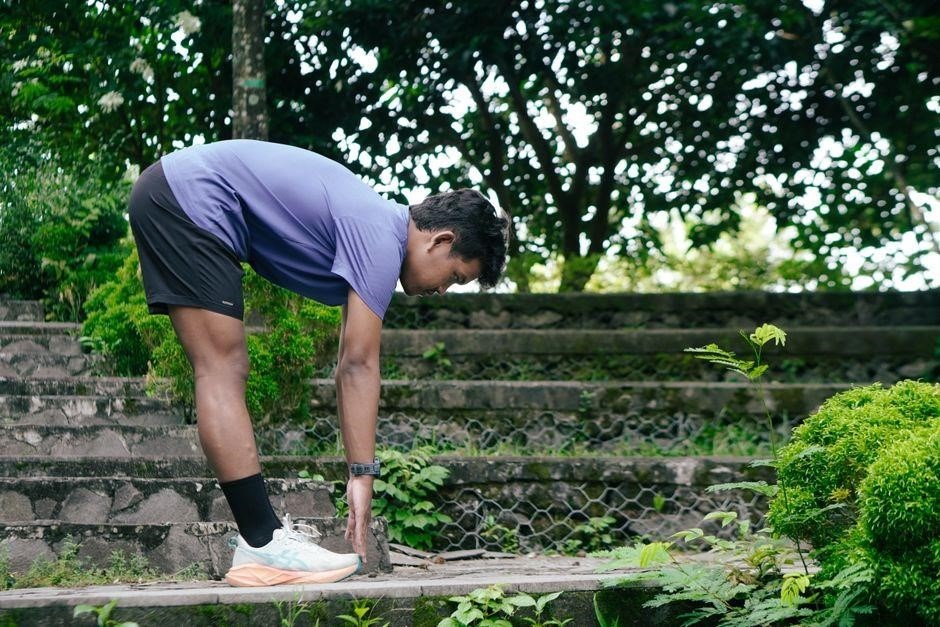
How to Perform the Suggested Stretches
Begin by standing facing a wall, placing a towel over the ball of your foot. Keep the knee straight, pull the towel gently toward you, feeling a stretch in the calf. Hold 15–30 s, breathe calmly, avoid bouncing. Repeat 2–3 times per leg. Adjust tension for comfort. Keep the heel on the floor and repeat twice daily.
Towel Stretch Technique
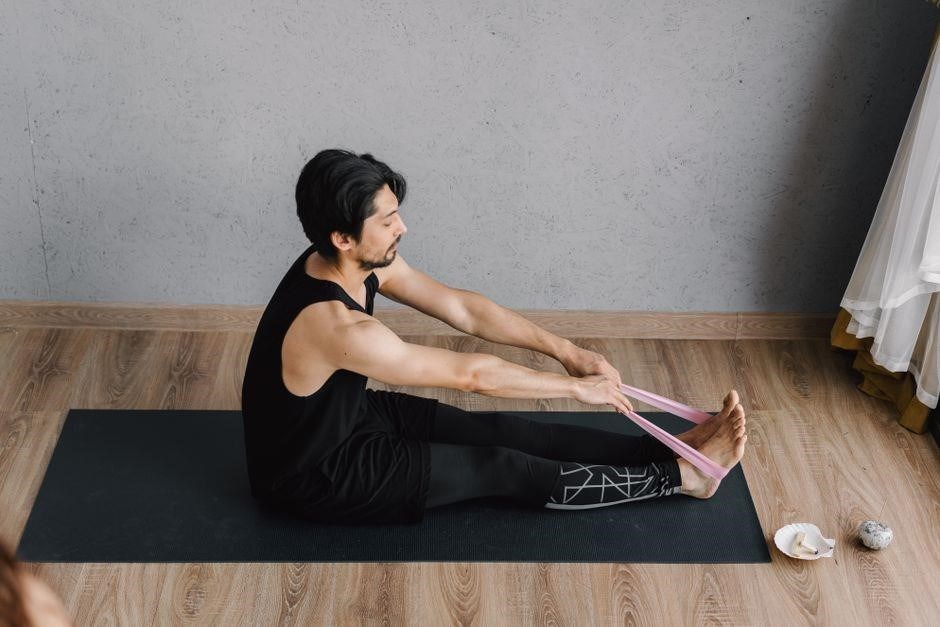
The towel stretch is a simple, effective method to loosen tight calf muscles. Begin by standing upright with your feet shoulder‑width apart. Place a towel or resistance band around the ball of one foot, keeping the heel flat on the ground. Keep the knee fully extended; the gastrocnemius originates above the knee, so a straight knee allows the stretch to target the entire calf. Gently pull the towel toward you, feeling a gentle pull in the calf. Avoid any sharp pain; the stretch should feel comfortable and slightly uncomfortable. Hold the position for 15–30 seconds, breathing steadily and relaxing the muscles. Release slowly, then repeat 2–3 times on the same leg before switching sides. Perform the stretch twice daily for best results. If you feel any discomfort beyond mild tension, reduce the pull or consult a professional. This technique is ideal for patients with plantar fasciitis, Achilles tendinopathy, or general calf tightness, and can be incorporated into a broader rehabilitation program. To increase intensity, place the towel under the foot and lean forward slightly, keeping the knee straight. Alternatively, sit on the floor with legs extended and loop the towel around the toes, pulling toward the body. Always avoid bouncing; static holds promote flexibility without strain. Consistency is key—regular practice over several weeks will improve ankle dorsiflexion and reduce strain on the Achilles tendon. If you have a recent injury or chronic pain, discuss the stretch with a physiotherapist before beginning the routine. This simple yet powerful stretch can be performed anywhere, making it a convenient addition to daily warm‑ups or cool‑downs. For a wall variation, stand facing a wall, place the towel over the ball of the foot, and step back until a gentle stretch is felt. Keep the heel on the floor and the knee straight. Hold, then shift weight to the opposite leg to deepen the stretch. Remember to keep the movement slow and controlled; quick pulls can lead to muscle strain. If you notice any swelling or increased pain, stop immediately and seek medical advice. The towel stretch is a cornerstone of calf flexibility training, supporting overall lower‑body mobility and injury prevention. Practice consistently and track progress!
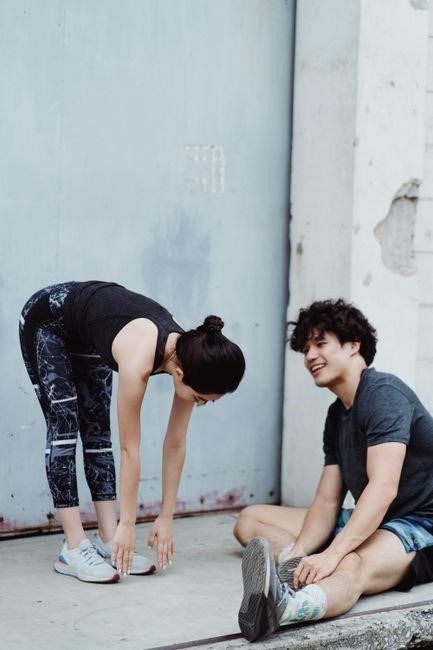
Safety Tips and Contraindications
Always warm up before stretching. Avoid overstretching; pain is a warning. If you have a recent injury, swelling, or chronic pain, consult a professional. Do not stretch with a broken ankle or severe arthritis. Keep movements slow, controlled, and pain-free. Use supportive footwear and avoid prolonged standing. for safety.!!!
When to Consult a Professional
Calf stretching is generally safe, yet certain red flags should prompt a professional evaluation. Seek expert advice if you encounter:
- Persistent or escalating pain that does not subside after a week of gentle stretching.
- Visible swelling, redness, or heat over the calf, ankle, or Achilles tendon.
- A recent acute injury—sprain, strain, or fracture—requiring medical clearance before stretching.
- Chronic foot or ankle problems such as plantar fasciitis, Achilles tendinopathy, or tibialis posterior tendonitis that may be aggravated by improper technique.
- Uncertainty about correct form, progression, or the appropriate stretch intensity for your specific condition.
- Pre‑existing circulatory or neurological disorders that could be worsened by overstretching.
In these scenarios, a qualified physiotherapist or podiatrist can perform a comprehensive assessment, identify biomechanical imbalances, and design a personalized rehabilitation program. Early professional guidance not only accelerates recovery but also safeguards against long‑term complications, ensuring that your stretching routine supports overall musculoskeletal health rather than inadvertently causing harm.