guided eastern turkey hunts
What are Guided Eastern Turkey Hunts?
Guided Eastern Turkey Hunts offer hunters expertly planned experiences, leveraging local knowledge for successful harvests.
These packages provide access to prime hunting locations and seasoned guides, enhancing the overall adventure.
Outfitter’s packages often include pre-scouting, expert calling, and assistance with field preparation, maximizing your chances.
Wisconsin’s hardwood forests and field edges are prime locations, with careful scouting and calling techniques employed by guides.
Understanding the Appeal
Guided Eastern Turkey Hunts resonate with hunters seeking a higher success rate and immersive outdoor experience. The appeal lies in eliminating the complexities of scouting and accessing prime hunting grounds.
Experienced guides share invaluable knowledge of turkey behavior, calling techniques, and strategic decoy setups, significantly increasing harvest opportunities.
These hunts offer convenience, with many packages including lodging, meals, and transportation, allowing hunters to fully focus on the thrill of the chase and enjoy the wilderness.
The Role of a Hunting Guide
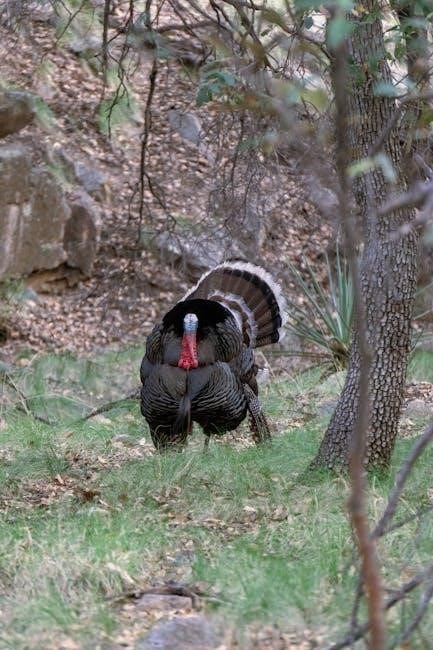
A hunting guide is central to a successful Eastern Turkey Hunt, providing expertise in locating birds and employing effective calling strategies. They meticulously scout hunting locations beforehand, ensuring access to areas with high turkey populations.
Guides expertly utilize yelps, clucks, and purrs to attract toms, and skillfully set up decoys to maximize their effectiveness.
Beyond the hunt itself, they offer valuable assistance with field dressing and can advise on trophy care, enhancing the overall experience.
Eastern Turkey Hunting Seasons & Locations
Eastern Turkey seasons generally run from mid-March to late May, varying by state. Over 30 states offer opportunities, with peak activity during spring breeding season.
Wisconsin’s hardwoods and field edges are prime locations, while hunts occur across the Eastern range.
Peak Season Timing (March ─ May)
Eastern Turkey hunting peaks during the spring breeding season, typically spanning March through May. Southern states often open seasons in mid-to-late March, coinciding with increased gobbler activity.
As the season progresses northward, opportunities extend into late May near the Canadian border. This timeframe aligns with the peak of mating and calling responsiveness, offering hunters the best chances for success with guided hunts;
Prime Eastern Turkey States
Numerous states boast thriving Eastern Turkey populations, making them ideal for guided hunts. Pennsylvania, known for its robust turkey numbers, consistently ranks high. Wisconsin’s hardwood forests and field edges provide excellent habitat, attracting large toms.
Other prime locations include New York, Virginia, and North Carolina, each offering unique hunting experiences. Over 30 states offer open seasons, providing diverse options for hunters seeking a memorable guided adventure.
Types of Guided Turkey Hunt Packages
Guided turkey hunt packages range from fully-inclusive experiences to semi-guided options, catering to diverse preferences and budgets. SHHC offers both styles!
Fully-guided hunts handle all logistics, while semi-guided hunts offer a balance of independence and expert assistance.
Fully-Guided Hunts: All-Inclusive Experience
Fully-guided turkey hunts represent the ultimate hassle-free adventure, encompassing every detail for a seamless experience. Hunters arriving the evening before can check in and discuss the hunt plan with their guide.
These packages typically include lodging, all meals, and transportation throughout the hunt, allowing complete focus on the pursuit of mature toms. Expert calling, strategic decoy setups, and access to pre-scouted, private properties are standard.
Expect a truly immersive and productive Eastern turkey hunting experience, expertly managed from start to finish.
Semi-Guided Hunts: A Balance of Independence
Semi-guided turkey hunts offer a compelling compromise, providing hunters with greater autonomy while still benefiting from expert support. These packages typically grant access to well-scouted properties and valuable insights from experienced guides.
Hunters maintain more control over their hunting strategies, but can consult with the guide for advice on calling, decoy placement, or locating active birds. Lodging and meals may or may not be included, varying by outfitter.
It’s ideal for seasoned hunters seeking a more self-directed experience.
What’s Typically Included in a Package?
Guided turkey hunt packages commonly feature lodging, meals, and transportation during the hunt, alongside expert guides and pre-scouted locations;
Some outfitters also offer gear rentals and assistance with trophy care, enhancing the overall experience.
Lodging and Meals
Guided turkey hunt packages frequently incorporate comfortable lodging options, ranging from rustic cabins to more luxurious accommodations, ensuring a relaxing stay.
Delicious, hearty meals are often provided, fueling hunters for long days in the field, with many outfitters catering to dietary needs and preferences.
Expect home-style cooking and ample portions, designed to keep you energized and focused on the pursuit of a trophy tom, creating a truly immersive experience.
Transportation During the Hunt
Many guided turkey hunt packages include transportation to and from hunting locations, eliminating the need for hunters to navigate unfamiliar terrain.
Outfitters typically provide reliable vehicles and experienced drivers, ensuring safe and efficient movement between blinds and scouting areas.
This convenient service allows hunters to fully concentrate on the hunt, maximizing their focus and enjoyment of the experience, without logistical concerns.
Pre-Scouted Hunting Locations
A significant benefit of guided turkey hunts is access to pre-scouted hunting locations, saving hunters valuable time and effort.
Experienced guides meticulously identify areas with high turkey activity, considering factors like roosting sites, feeding grounds, and travel routes.
This proactive approach dramatically increases the likelihood of successful encounters with mature toms, enhancing the overall hunting experience and chances of a harvest.
Essential Gear and Equipment
Essential gear for guided Eastern turkey hunts includes shotguns, ammunition, turkey calls, and decoys. Camouflage clothing is crucial for concealment,
ensuring a successful hunt.
Outfitters may offer rentals, but personalizing your setup enhances comfort and confidence in the field.
Shotguns and Ammunition
Shotguns are the primary firearm for Eastern turkey hunting, with 12-gauge and 20-gauge being popular choices. Hunters should utilize specialized turkey loads featuring dense shot patterns—typically #4, #5, or #6—to maximize effectiveness at varying ranges.
Modern non-toxic shot, like tungsten or bismuth, is often required or recommended, ensuring ethical and environmentally responsible hunting practices. Patterning your shotgun is vital for accurate shot placement.
Turkey Calls and Decoys
Turkey calls are essential tools, mimicking the sounds of wild turkeys to attract toms. Mastering yelps, clucks, and purrs is crucial, often guided by experienced professionals. Decoys, strategically placed, further enhance the illusion of a receptive hen, drawing in curious gobblers;
Guides expertly utilize these tools, understanding how to adapt calling and decoy setups based on turkey behavior and hunting conditions for optimal success.
Camouflage Clothing
Camouflage clothing is paramount for successful turkey hunting, allowing hunters to blend seamlessly into the environment. Breaking up your outline is key, as turkeys possess exceptional vision. Patterns mimicking woodland foliage are highly effective, minimizing detection.
Guides often advise on appropriate attire for specific hunting locations and conditions, ensuring hunters remain concealed while pursuing their quarry. Proper camouflage significantly increases your chances.

Turkey Hunting Techniques Employed by Guides
Guides utilize expert calling – yelps, clucks, and purrs – alongside strategic decoy setups to lure Eastern toms. Careful scouting assesses turkey locations, maximizing success.
Scouting and Location Assessment
Guides dedicate significant time to pre-hunt scouting, identifying areas with high turkey concentrations and preferred roosting sites. This involves examining tracks, droppings, and scratching to understand movement patterns.
They assess terrain features, food sources, and cover to pinpoint optimal ambush locations. Access to private lands often provides exclusive hunting opportunities, increasing the likelihood of encountering mature toms. Thorough location assessment is crucial for a successful hunt.
Calling Strategies (Yelps, Clucks, Purrs)
Experienced guides master a range of turkey vocalizations, employing yelps to locate birds and entice responses. Strategic clucking mimics contented hens, drawing toms closer, while soft purrs convey reassurance.
They adapt their calling sequences based on turkey behavior and hunting pressure, creating realistic soundscapes. Expert calling, combined with precise timing, significantly increases the chances of bringing a gobbler into shooting range.
Decoy Setups for Attracting Toms
Guides skillfully utilize turkey decoys to create realistic scenarios, triggering a tom’s competitive instincts. Common setups include a hen and jake combination, appealing to a dominant tom’s desire to breed.
Strategic placement considers wind direction and visibility, maximizing the decoy’s effectiveness. Experienced guides adjust setups based on terrain and turkey behavior, increasing the likelihood of a close encounter.
Cost Considerations for Guided Hunts
Guided turkey hunt package prices vary based on duration, location, and included amenities. Factors include guide expertise, lodging quality, and transportation provisions.
Typical price ranges can fluctuate significantly, demanding careful research and comparison of different outfitters’ offerings.
Factors Influencing Package Prices
Several key elements dictate the cost of a guided Eastern turkey hunt package. The hunt’s duration is a primary driver, with longer hunts naturally costing more. Location significantly impacts price; popular states or remote areas often command higher fees.
Inclusions like lodging quality (basic camp vs. luxury lodge), meal provisions, and transportation services contribute substantially; Guide-to-hunter ratios also play a role, with more personalized attention increasing costs. Finally, the outfitter’s reputation and access to exclusive hunting grounds influence pricing.
Typical Price Ranges
Guided Eastern turkey hunt packages exhibit a broad price spectrum, generally ranging from $800 to $2,500 or more. Semi-guided options typically start around $800-$1,500, offering a balance of independence and support. Fully-guided, all-inclusive hunts, with premium lodging and services, can easily exceed $2,000.
These figures are estimates; prices fluctuate based on location, duration, and included amenities. Additional costs, such as licenses, tags, and transportation to/from the hunting area, are usually separate.
Choosing the Right Outfitter
Selecting an outfitter requires careful vetting; confirm credentials, licenses, and thoroughly review testimonials. Prioritize outfitters with proven success and positive hunter feedback for a rewarding experience.
SlamHunt facilitates discovering verified guides, allowing comparisons by region and access to valuable hunter reviews.
Checking Credentials and Licenses
Verifying an outfitter’s legitimacy is paramount before committing to a guided turkey hunt. Ensure they possess all required state hunting licenses and permits, demonstrating legal operation.
Investigate their credentials – are they registered with relevant hunting organizations? Confirm insurance coverage for liability protection. A reputable outfitter will readily provide this information, showcasing transparency and professionalism.
Don’t hesitate to contact state wildlife agencies to validate licenses and check for any reported violations.
Reading Reviews and Testimonials
Thoroughly researching an outfitter through reviews and testimonials is crucial for a successful guided turkey hunt. Seek feedback from previous clients regarding their experiences with the guide’s expertise, property quality, and overall hunt satisfaction.
Platforms like SlamHunt often feature verified reviews. Look for consistent patterns – positive or negative – and consider the details provided.
Beware of overly generic or suspiciously perfect reviews; authentic feedback offers valuable insights into the outfitter’s reliability.
Legal Requirements and Licensing
Successful turkey hunts necessitate adherence to state regulations, including valid hunting licenses and specific turkey tags or permits.
Ensure compliance with all local legal requirements before embarking on your guided adventure for a worry-free experience.
State Hunting Licenses
Obtaining a valid hunting license from the state where your guided turkey hunt takes place is paramount. Requirements vary significantly; some states offer resident and non-resident licenses, while others have specific drawling systems.
Always verify the specific license needed for turkey hunting, as general hunting licenses may not suffice. Purchasing licenses online or through authorized vendors is often convenient, ensuring legal participation in the hunt.
Turkey Tags and Permits
Beyond a general hunting license, most states require specific turkey tags or permits to legally harvest a bird during a guided hunt. These tags often limit the number of turkeys a hunter can take during a season.
Application processes for these tags can be competitive, sometimes involving lotteries or preference point systems. Ensure your outfitter assists in navigating these requirements for a lawful and enjoyable experience.
Safety Precautions During a Turkey Hunt
Hunter orange is crucial for visibility, and strict firearm safety rules must be followed at all times during guided Eastern turkey hunts;
Always maintain awareness of your surroundings and practice responsible gun handling techniques for a secure experience.
Hunter Orange Requirements
Hunter orange is a critical safety component during guided Eastern turkey hunts, significantly increasing visibility in the field. Many states mandate wearing a specific amount of blaze orange clothing, often a hat and vest.
Outfitters will inform hunters of the precise regulations for their hunting location, ensuring compliance with state laws. Prioritizing visibility minimizes the risk of accidental shootings and promotes a safer hunting environment for everyone involved.
Firearm Safety Rules
Firearm safety is paramount during guided Eastern turkey hunts. Always treat every firearm as if it’s loaded, maintaining control and pointing it in a safe direction.
Keep your finger off the trigger until ready to shoot, and be certain of your target and what lies beyond. Guides will reinforce these rules, ensuring a responsible and secure hunting experience for all participants throughout the duration of the hunt.

Tracking Your Harvest
SlamHunt and similar platforms allow hunters to digitally record their turkey harvests, verifying details and tracking progress towards a grand slam.
Utilizing hunting apps streamlines documentation, providing a convenient way to celebrate and share your successful guided hunt.
Utilizing Hunting Apps
Hunting apps like SlamHunt are invaluable tools for modern turkey hunters, especially during guided experiences. These platforms offer verified guide directories, allowing comparison of packages by region and price.
Beyond planning, apps facilitate harvest tracking, species information, and slam progress monitoring. They connect hunters with essential resources, enhancing confidence and simplifying post-hunt documentation, ensuring a well-organized and memorable experience.
SlamHunt and Similar Platforms
SlamHunt emerges as a leading platform for discovering verified turkey hunting guides, streamlining the search for ideal Eastern Turkey hunts. These platforms enable hunters to compare packages, assess regional opportunities, and track their harvests effectively.
By connecting hunters with vital tools—species info, slam progress—SlamHunt boosts confidence and simplifies planning, whether pursuing Eastern gobblers or other subspecies.
Post-Hunt Trophy Care
Guided hunts often include field dressing and preservation assistance, ensuring your trophy is handled correctly.
Taxidermy options are frequently available through outfitters, preserving your memorable hunt.
Field Dressing and Preservation
Guided turkey hunts frequently incorporate immediate field dressing services, crucial for meat quality. Experienced guides demonstrate proper techniques, ensuring a clean and sanitary process.
Preservation options range from cooling and transporting the bird to professional processing. Many outfitters assist with arrangements for further preservation, including freezing or specialized services.
Proper field care is paramount, safeguarding the trophy and maximizing the enjoyment of your harvest long after the hunt concludes;
Taxidermy Options
Guided turkey hunts often facilitate connections with skilled taxidermists, preserving your trophy for a lifetime. Outfitters can advise on reputable local artists specializing in turkey mounting.
Options range from full-body mounts showcasing the bird’s plumage to fan mounts displaying the vibrant feathers. Discussing preferences with your guide ensures a personalized result.
Proper care immediately after harvest is vital for taxidermy quality, making the guide’s expertise invaluable in this process.

Ethical Hunting Practices
Guided Eastern Turkey Hunts prioritize fair chase principles and respect for wildlife. Responsible hunting ensures sustainable populations and honors the traditions of the sport.
Outdoorsmen should respect both the animal and the land, adhering to all regulations and promoting conservation efforts.
Fair Chase Principles
Guided Eastern Turkey Hunts adhering to fair chase means respecting the animal and the hunt itself. It involves refraining from practices that give an unfair advantage, like hunting from vehicles or using electronic calls where prohibited.
Ethical outfitters prioritize a challenging and sportsmanlike experience, ensuring the turkey has a reasonable chance to escape. This commitment upholds the integrity of the sport and promotes responsible wildlife management, fostering a sustainable future for turkey populations.
Respect for Wildlife and Land
Guided Eastern Turkey Hunts should demonstrate deep respect for wildlife and land. Ethical hunters and outfitters prioritize minimal impact on the environment, practicing Leave No Trace principles during their hunts.
This includes responsible waste disposal, avoiding disturbance to non-target species, and acknowledging the importance of habitat conservation. A genuine appreciation for the natural world enhances the hunting experience and ensures its sustainability for future generations.
Preparing for Your Hunt
Preparing for your hunt involves physical conditioning and understanding Eastern turkey behavior. Familiarize yourself with calling techniques and scouting strategies for a successful, enjoyable experience.
Knowledge of turkey habits and proper physical fitness will greatly improve your chances in the field.
Physical Conditioning
Turkey hunting often requires navigating varied terrain, sometimes involving long walks and periods of stillness. Physical conditioning is crucial for endurance and maintaining focus throughout the hunt.
Focus on cardiovascular exercises like hiking or brisk walking to build stamina. Strength training, particularly for legs and core, will aid in navigating uneven ground and prolonged sitting.
Being physically prepared ensures you can fully enjoy the experience and react effectively when the opportunity arises, maximizing your success in the field.
Familiarizing Yourself with Turkey Behavior
Understanding Eastern turkey behavior significantly increases your hunting success. Learn to recognize their vocalizations – yelps, clucks, and purrs – and what each signifies.
Study their movement patterns, preferred roosting sites, and feeding habits. Knowing how toms respond to calls and decoys is vital.
This knowledge, combined with your guide’s expertise, will allow you to anticipate their actions and position yourself for a rewarding hunt.