
cata tailoring guide
Cataclysm Classic Tailoring Guide: A Comprehensive Overview (Updated 12/04/2025)
Welcome, aspiring Tailors! This detailed guide, updated today – 12/04/2025 – provides a complete walkthrough of Tailoring in WoW Cataclysm Classic.
Learn to craft valuable cloth armor, essential bags, and enchanting materials, maximizing profits within the Cataclysm economy.
Tailoring in Cataclysm Classic is a powerful profession, primarily serving the needs of cloth-wearing classes – Priests, Mages, and Warlocks. It allows players to create a diverse range of items, from essential leveling gear to high-end raid apparel. Beyond armor, Tailoring excels in bag creation, a consistently lucrative gold source, and provides materials crucial for Enchanting.
The Cataclysm revamp brought significant changes to Tailoring, introducing new cloth types like Embroidered Cloth, Hexweave Cloth, and Dreamweave Cloth, alongside updated recipes. Mastering this profession requires understanding these new materials and efficiently leveling your skill from 1 to 525. This guide will navigate you through the optimal leveling path, highlighting key recipes and strategies for maximizing your profits in the Cataclysm economy. Prepare to become a sought-after crafter!
Why Choose Tailoring in Cataclysm Classic?
Tailoring offers several compelling advantages in Cataclysm Classic. Firstly, it provides self-sufficiency for cloth-wearing classes, reducing reliance on expensive gear from the Auction House or dungeon drops. Secondly, the consistent demand for bags ensures a steady income stream, particularly valuable during progression. Unlike professions tied to rare drops, Tailoring relies on readily farmable or auctionable materials.
Furthermore, Tailoring supports the Enchanting profession by providing essential cloth offcuts. The ability to craft powerful gear, coupled with the consistent gold from bags, makes Tailoring a highly profitable choice. New recipes introduced in Cataclysm enhance its value, allowing crafters to stay ahead of the market. It’s a solid profession for players seeking both economic gain and character progression.
Tailoring’s Role in the Cataclysm Economy
Tailoring significantly impacts the Cataclysm Classic economy, primarily through the creation of cloth armor – essential for Priests, Mages, and Warlocks. Demand for these items remains consistently high as players progress through raids and PvP content. The bag market, dominated by Tailors, provides a reliable source of gold, fluctuating with material costs and player needs.
The profession’s influence extends to Enchanting, as Tailors produce valuable cloth remnants used in enchantment recipes. Controlling the supply of these materials can create profitable opportunities. Auction House savvy is crucial; monitoring material prices and crafted item demand allows Tailors to maximize profits. A well-established Tailoring business can become a cornerstone of a player’s economic strategy within the game, offering stability and growth.
Leveling Tailoring 1-525
Progressing from level 1 to 525 requires strategic material gathering and recipe selection. Focus on early-game fabrics, then transition through Linen, Silk, and ultimately, Cataclysm cloths.
Leveling 1-100: Early Game Fabrics
Embarking on your Tailoring journey begins with readily available, low-cost materials. Linen and Wool are your primary focus during levels 1-100. These fabrics are easily obtainable through vendor purchases or farming low-level creatures. Prioritize crafting Linen Cloth and Wool Cloth, as these serve as fundamental components for numerous early-game recipes.
Concentrate on recipes like Linen Bandages and Simple Bags. While not exceptionally profitable, they provide consistent skill-ups and familiarize you with the Tailoring interface. Efficiently leveling in this range is about volume – crafting as many items as possible to steadily increase your skill. Don’t hesitate to utilize the Auction House to acquire materials if farming proves time-consuming, but always compare prices to ensure profitability. Remember, early skill gains are crucial for unlocking more advanced recipes later on.
Leveling 100-200: Focusing on Linen and Wool
Continuing your progression from 100 to 200, Tailoring still heavily relies on Linen and Wool, but with a shift towards more complex patterns. Focus on crafting items like Linen Shirts, Woolen Pants, and various simple cloaks. These offer slightly better skill gains than bandages and basic bags, while also introducing you to more diverse crafting options.
The Auction House becomes increasingly important during this phase. Monitor prices for both raw materials and finished products to identify profitable opportunities. Consider specializing in either Linen or Wool crafting based on market demand. Don’t overlook the value of crafting quality items, even if they require slightly more expensive materials; they often sell for a premium. Consistent crafting and smart market awareness are key to efficient leveling in this range, preparing you for Silk and Mageweave.
Leveling 200-300: Silk and Mageweave
Reaching the 200-300 skill range marks a significant shift, introducing Silk and Mageweave Cloth as your primary materials. Focus on crafting items like Silk Robes, Mageweave Capes, and more intricate designs. These provide substantial skill-ups, but require more investment in materials. Efficiently sourcing Silk and Mageweave is crucial; consider farming areas known for these drops or purchasing them strategically from the Auction House.

During this phase, explore crafting higher-quality items, even if they don’t offer massive skill gains. These can be sold for a profit, offsetting material costs. Pay attention to demand for specific color variations of crafted items, as these can fetch higher prices. Mastering this range prepares you for the more challenging, but rewarding, Runecloth and Deviant Cloth levels ahead.
Leveling 300-400: Runecloth and Deviant Cloth
The 300-400 skill bracket demands Runecloth and Deviant Cloth, materials notoriously harder to acquire. This is where efficient farming or smart Auction House utilization becomes paramount. Focus on crafting items like Runecloth Robes and Deviant Chestguards, prioritizing recipes that offer consistent skill gains. Expect slower leveling compared to previous ranges due to material scarcity and increased competition.
Consider diversifying your crafting to include items with lower material requirements, supplementing your primary Runecloth/Deviant Cloth crafts. Look for niche items with limited competition. Remember, even small profits accumulate over time. Preparing for the Cataclysm Cloths (Embroidered, Hexweave, Dreamweave) is key, so build up a reserve of gold during this phase to facilitate a smoother transition.
Leveling 400-525: Focusing on Cataclysm Cloths (Embroidered, Hexweave, Dreamweave)
Reaching 400 unlocks the core of Cataclysm Tailoring: Embroidered, Hexweave, and Dreamweave cloth crafting. This phase is heavily reliant on dungeon and raid drops, making a dedicated farming group or consistent Auction House monitoring essential. Prioritize recipes offering the highest skill-up chance, even if the resulting items aren’t immediately profitable. Focus on crafting bags – they remain a consistent gold source throughout Cataclysm Classic.
Mastering this range requires understanding which dungeons drop which cloths most efficiently. Experiment with different recipes to identify those with the best return on investment. Don’t neglect enchanting materials crafted by Tailors; they offer a valuable alternative income stream. Reaching 525 unlocks the most powerful recipes, solidifying your position as a skilled Cataclysm Tailor.
Essential Cataclysm Tailoring Recipes
Discover key recipes for success! From early-game basics to mid-range armor and end-game bags, mastering these unlocks profits and progression in Cataclysm Classic Tailoring.
Early Game Recipes (Levels 1-200)
Focus on building a foundation with readily available materials. Linen Cloth and Wool Cloth are your staples during this phase. Prioritize crafting Linen Bandages (Level 1) for consistent, albeit small, profits and skill gains. Woolen Cloth is crucial for creating basic shirts and pants, offering a slight increase in value.
Look for recipes like Simple Robes and Simple Kilts, which consume significant amounts of Linen and Wool. These provide decent experience and can be sold on the Auction House to recoup costs. Don’t overlook the value of crafting bags, even the smaller ones like the 6-Slot Embroidered Bag (requires skill 75), as they are always in demand.
Remember to check vendor recipes frequently, as some essential early-game patterns are directly purchasable. Efficiently leveling requires balancing crafting for skill-ups with selling excess materials or finished products to maintain a positive gold flow. This initial stage is about establishing a consistent workflow.
Mid-Game Recipes (Levels 200-400)
Transitioning to Silk and Mageweave Cloth marks a significant step. Focus on recipes utilizing these materials, such as Silk Robes and Mageweave Capes. These offer improved stats and higher selling prices compared to earlier creations. Runecloth becomes increasingly important as you approach level 300, so start stockpiling it whenever possible.

Crafting tailored gear for leveling characters is a viable strategy. Items like Runecloth Robes and Mageweave Boots are consistently sought after. Begin learning recipes for larger bags, like the 16-Slot Rugged Leather Satchel (requires skill 225, though leatherworking is involved), as demand increases.
Deviant Cloth enters the mix around level 350, opening up opportunities for more specialized gear. Prioritize recipes that offer a good balance between skill gain, material cost, and potential profit. Efficiently managing your material inventory is crucial during this phase.
End-Game Recipes (Levels 400-525) ⸺ Including Bags
Reaching levels 400-525 centers around mastering Cataclysm Cloths: Embroidered, Hexweave, and Dreamweave. Focus on crafting high-end gear for end-game players, including items with desirable stats and set bonuses. These recipes require significant material investment but yield substantial profits.
Bag creation remains a consistent gold source. The 26-Slot Embroidered Bag is highly sought after, requiring skill 525 and substantial amounts of Embroidered Cloth. Continuously monitor auction house prices to maximize your earnings. Consider crafting smaller, cheaper bags to cater to a wider range of buyers.
Tailors can also craft enchanting materials, like Heavy Thorium Thread, which are used by enchanters. Learning these recipes provides an additional revenue stream. Prioritize recipes with high demand and efficient material costs to optimize your tailoring profits.
Profitable Tailoring Items in Cataclysm Classic
Tailoring excels in crafting cloth armor for Priests, Mages, and Warlocks, alongside lucrative bag creation and enchanting materials. These items consistently generate gold on the auction house.
Cloth Armor for Priests, Mages, and Warlocks
Tailoring stands as the premier profession for equipping casters in Cataclysm Classic. Priests, Mages, and Warlocks heavily rely on cloth armor, creating consistent demand for tailored pieces. Focusing on crafting high-quality chest, legs, and shoulders is particularly profitable.
Early on, leveling Tailoring involves creating basic cloth items, but as your skill increases, you unlock patterns for more powerful gear. Keep a close watch on the Auction House to identify items with high sell prices and low material costs. Remember to consider the current raid tiers and the gear needs of players progressing through end-game content.
Don’t underestimate the value of crafted PvP gear either! Battlegrounds and arenas create a steady demand for tailored armor with specific stats. Regularly updating your knowledge of desirable stats and enchantments will maximize your profits. Efficient material sourcing and smart auctioning are key to success.
Bag Creation: A Consistent Gold Source
Bag creation remains a remarkably stable and reliable gold source for Tailors in Cataclysm Classic. Players always need more bag space, ensuring consistent demand throughout the game’s lifecycle. While margins might not be astronomical, the sheer volume of bags sold makes it a worthwhile endeavor.
Focus on crafting larger-sized bags – 16-slot, 20-slot, and even 22-slot options – as these are consistently in high demand. Monitor Auction House prices closely, adjusting your crafting and selling strategy accordingly. Competition can be fierce, so efficient material acquisition is crucial.
Consider specializing in bag patterns to reduce material costs and increase crafting speed. Regularly check for new bag recipes as you level your Tailoring skill. Don’t overlook the potential for profit in crafting specialized bags for specific professions, like enchanting or herbalism.
Enchanting Materials Crafted by Tailors
Tailors in Cataclysm Classic play a vital, often overlooked, role in supplying materials for Enchanters. Specifically, Tailors can craft the Dreamcloth and Embroidered Silk, essential components for many high-demand enchantments. These materials are not easily obtainable through gathering, making Tailoring a key profession for Enchanters to rely on.
The demand for Dreamcloth, in particular, remains consistently high due to its use in powerful end-game enchantments. Mastering the crafting of these materials requires a significant investment in Tailoring skill and access to the necessary Cataclysm cloths.
Auction House prices for Dreamcloth and Embroidered Silk can fluctuate, so diligent market monitoring is essential. Efficiently sourcing the required materials – Dreamweave and Embroidered Hexweave respectively – is crucial for maximizing profits. This niche provides a steady income stream for savvy Tailors.
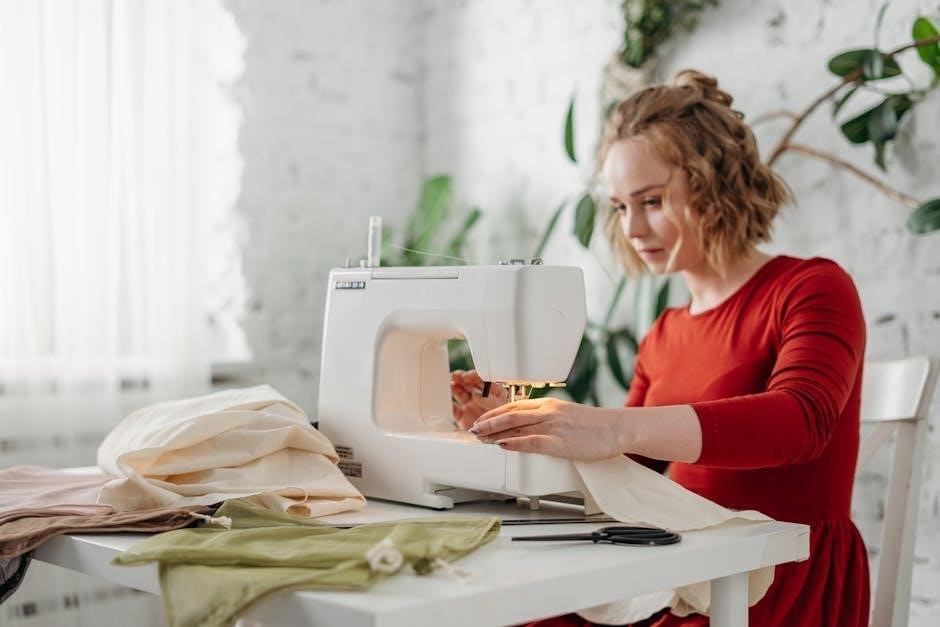
Maximizing Tailoring Efficiency
Boost your Tailoring by utilizing specializations, gathering materials yourself, and strategically navigating the Auction House. These tactics will optimize profits and skill gains!
Utilizing Tailoring Specializations
Cataclysm Classic introduces Tailoring specializations, significantly impacting efficiency and profitability. These specializations aren’t explicitly detailed as “trees” but manifest as bonuses gained through skill increases and recipe knowledge. Focusing on specific cloth types – like prioritizing Dreamweave or Hexweave – unlocks subtle advantages in crafting speed or material cost reduction.
While not a rigid system, understanding which specializations complement your chosen crafting path is crucial. For example, a Tailor focused on bag creation will benefit from bonuses that reduce cloth consumption. Conversely, those crafting high-end raid gear should prioritize specializations that improve the quality or speed of those specific recipes.
Experimentation is key! Pay attention to subtle changes in crafting results as you level. Observing material costs and crafting times will reveal which specializations are naturally developing based on your crafting choices. Mastering these nuances will give you a competitive edge in the Cataclysm economy.
Gathering Your Own Materials
To maximize profits, consider supplementing your Tailoring with gathering professions. While purchasing materials from the Auction House is convenient, gathering your own cloth – Linen, Wool, Silk, Runecloth, and the Cataclysm variants – drastically reduces costs. Herbalism and Skinning are particularly synergistic, providing access to the raw materials needed for cloth creation.
Focus on zones rich in the specific cloth you need for your current leveling range. For example, early levels benefit from farming Linen in Elwynn Forest or Wool in Dun Morogh. Later, prioritize areas abundant in Runecloth or the newer Cataclysm cloths like Embroidered or Hexweave;
Efficient gathering routes and utilizing gathering-enhancing enchants can significantly boost your material acquisition rate. Remember, time invested in gathering translates directly into increased gold earned from crafting and selling your Tailoring creations.
Auction House Strategies for Buying and Selling
Mastering the Auction House (AH) is crucial for profitable Tailoring. Regularly monitor prices for all cloth types, especially Embroidered, Hexweave, and Dreamweave, as these fluctuate significantly with raid progression. Buy low during off-peak hours – typically late night or early morning – and sell during peak times when demand is highest.
Utilize AH addons to track historical prices and identify undercutting opportunities. Don’t blindly undercut; consider your profit margin. Instead of competing on price alone, focus on selling in stacks that cater to player needs (e.g., stacks of 20 or 50 cloth).
Consider crafting items before listing materials, as finished goods often sell for more than the sum of their parts. Be patient; sometimes, waiting for the right buyer yields a significantly higher return.
Dealing with Yahoo Email Access Issues (Relevant to Account Security)
Important Note: While unrelated to Tailoring, secure accounts are vital. If facing Yahoo login problems, explore recovery options and protect your account immediately.
Yahoo Account Recovery Options
Recovering access to your Yahoo account is crucial, especially if locked out. Yahoo offers several recovery paths, though experiences vary widely, with some users reporting frustrating delays and unhelpful support. Begin by attempting the standard “Forgot Password” process, utilizing a linked recovery email or phone number.
If these fail, explore the Account Recovery form, providing as much detail as possible about your account’s history – previous passwords, frequent contacts, and account creation date. Be prepared for potential requests for SMS verification, though recent reports suggest limitations on message frequency (ten per 24 hours).
Troubleshooting Yahoo Login Problems
Encountering login issues with Yahoo can be incredibly disruptive, particularly when managing vital aspects of your online life, including Cataclysm Classic gameplay. First, verify you’re using the correct username and password – capitalization matters! Clear your browser’s cache and cookies, as outdated data can interfere with the login process.
Attempt accessing Yahoo Mail through a different browser or device to isolate the problem. Disable browser extensions, as some may conflict with Yahoo’s security protocols. If prompted, ensure you’re accepting necessary cookies.
Consider that Yahoo occasionally experiences service outages. Check the Yahoo Help Center for known issues. While seemingly unrelated to Tailoring, a functional email is vital for auction house activity and guild communication. If problems persist, explore Yahoo’s Account Help resources for further assistance.
Protecting Your Yahoo Account
Securing your Yahoo account is paramount, not just for personal security, but also for safeguarding your Cataclysm Classic related information and potential gold-making endeavors through Tailoring. Enable two-step verification (2SV) for an added layer of protection, requiring a code from your phone in addition to your password.
Create a strong, unique password – avoid easily guessable information. Regularly review your account activity for any suspicious logins or changes. Be cautious of phishing emails attempting to steal your credentials; Yahoo will never ask for your password via email.
Limit the number of devices with access to your account. Keep your recovery email address and phone number up-to-date. A compromised account could lead to loss of access to vital game information and potential financial repercussions. Prioritize account security to enjoy a seamless Tailoring experience.