
owners manual power pressure cooker xl
The Power Pressure Cooker XL simplifies cooking, offering diverse functionalities detailed in numerous owner’s manuals available online, like those from ManualsLib․
These guides, for models PPC770, PPC771, PPC772, PPC773, PPC790, and PCXL-PRO6, cover safety, operation, and even pressure canning instructions․
Valerie Wright’s cookbook complements these manuals, providing quick and easy recipes for this versatile electric pressure cooker․
What is the Power Pressure Cooker XL?
The Power Pressure Cooker XL is a multi-functional electric pressure cooker designed to expedite meal preparation․ Numerous online resources, including downloadable owner’s manuals from ManualsLib, detail its capabilities․ These manuals, specific to models like PPC770, PPC771, PPC772, PPC773, PPC790, and PCXL-PRO6, illustrate it’s more than just a pressure cooker․
It functions as a slow cooker, steamer, and even a rice cooker, streamlining kitchen processes․ The included guides emphasize safety protocols and proper usage, while resources like Valerie Wright’s cookbook offer recipe inspiration․ It’s designed for both novice and experienced cooks, offering pre-set programs and manual controls for customized cooking; Understanding the owner’s manual is crucial for maximizing its potential and ensuring safe operation․
Key Features and Benefits
Key features of the Power Pressure Cooker XL, as detailed in its owner’s manuals, include multiple pre-set programs for soups, stews, rice, and more․ These manuals (PPC770, PPC771, PPC772, PPC773, PPC790, PCXL-PRO6) highlight the benefits of faster cooking times and energy efficiency․
The cooker’s versatility extends to pressure canning, a feature emphasized in specific guides․ Benefits include simplified meal preparation, reduced kitchen clutter, and healthier cooking options․ The sauté function allows for browning and building flavor directly within the pot․ Owners manuals from ManualsLib stress the importance of understanding these features for optimal performance and safety, complemented by resources like Valerie Wright’s cookbook․
Model Variations (PPC770, PPC771, PPC772, PPC773, PPC790, PCXL-PRO6)
The Power Pressure Cooker XL comes in several variations, including PPC770, PPC771, PPC772, PPC773, PPC790, and PCXL-PRO6․ Owners manuals available on ManualsLib detail slight differences between these models, particularly regarding pressure settings․ For example, the PPC770 and similar models offer a default pressure of 50kpa for cooking programs, with a canning program reaching 82․7kpa․
Understanding these nuances is crucial, as highlighted in user guides․ While core functionalities remain consistent, specific features and program defaults may vary․ Accessing the correct owner’s manual for your specific model ensures safe and effective operation, maximizing the cooker’s potential․
Understanding the Control Panel
The control panel’s functions – power, program selection, time/temperature, and pressure levels – are thoroughly explained in the Power Pressure Cooker XL owner’s manuals․
Power Button and Indicator Lights
The Power button initiates all cooking operations, as detailed in the Power Pressure Cooker XL’s owner’s manual․ Understanding the indicator lights is crucial for safe and effective use․ Manuals from ManualsLib explain that these lights signal various stages: power on, preheating, pressure building, and cooking in progress․
Different models, like the PPC770 and PCXL-PRO6, may have slightly varying light configurations, so referencing the specific manual for your unit is essential․ The lights also indicate when the cooker has reached pressure and when it’s safe to release it․ Ignoring these signals could lead to improper cooking or potential hazards, emphasizing the importance of consulting the owner’s manual before each use․
Program Selection Dial/Buttons

The Program Selection Dial or Buttons, as outlined in the Power Pressure Cooker XL owner’s manual, allow users to choose pre-set cooking functions․ These programs, including Soup, Stew, Rice, and others, automate time and pressure settings for common dishes․ Manuals from sources like ManualsLib detail each program’s specific parameters․
Different models (PPC771, PPC790, etc․) may feature varying program options and control layouts․ The manual emphasizes the importance of selecting the correct program for the intended food type․ For customized cooking, users can bypass pre-sets and manually adjust time and pressure․ Understanding the dial/button functionality, as described in the manual, ensures optimal cooking results and prevents errors․
Time and Temperature Controls
Time and Temperature Controls are crucial for precise cooking with the Power Pressure Cooker XL, as detailed in the owner’s manual․ Users can adjust cooking time in minutes, offering flexibility beyond pre-set programs․ While the cooker primarily regulates temperature via pressure, understanding time adjustments is vital for achieving desired results․
Manuals from ManualsLib highlight that models like PPC770 and PCXL-PRO6 allow for incremental time increases or decreases․ The manual stresses the importance of referencing cooking charts for appropriate times based on food type and quantity․ Accurate time setting, combined with proper pressure selection, ensures safe and effective pressure cooking, as outlined in the comprehensive user guides․
Pressure Level Settings (Low, High)
Pressure Level Settings – Low and High – are fundamental to the Power Pressure Cooker XL’s operation, thoroughly explained in the owner’s manual․ The Tristar Power Pressure Cooker XL manual notes default pressure for programs is 50kPa (7․2psi), while canning utilizes 82․7kPa (11․99psi)․
Choosing the correct pressure level impacts cooking speed and texture․ Lower pressure is ideal for delicate foods, while higher pressure accelerates cooking for tougher ingredients․ Manuals from ManualsLib emphasize that the PPC770 and similar models offer these settings, influencing cooking time and results․ Understanding these levels, as detailed in the user guide, is key to mastering the cooker’s capabilities․
Safety First: Important Precautions
Prioritize safety! Owner’s manuals from ManualsLib stress reading the guide before use, understanding lid locking, and proper steam release techniques for safe operation․
Reading the Manual Before Use
Crucially, the Power Pressure Cooker XL owner’s manual is your first line of defense for safe and effective operation․ Multiple sources, including ManualsLib, emphasize the absolute necessity of thoroughly reviewing the manual before the initial use․
This isn’t merely a suggestion; it’s a vital safety precaution․ The manual details specific instructions for each model (PPC770, PPC771, PPC772, PPC773, PPC790, PCXL-PRO6) regarding proper lid locking mechanisms, steam release procedures – differentiating between natural and quick release – and understanding the function of critical components like the float valve․
Ignoring the manual increases the risk of improper operation, potential injury, and damage to the appliance․ It also outlines essential information regarding avoiding overfilling and preventing food blockages, ensuring a positive cooking experience․
Proper Lid Locking Mechanisms
The Power Pressure Cooker XL’s safety hinges on its lid locking system, meticulously detailed in the owner’s manual․ Correctly securing the lid is paramount before initiating pressure cooking; failure to do so can result in hot steam escaping, posing a significant burn risk․
Manuals from sources like ManualsLib stress the importance of aligning the lid correctly, ensuring a complete and airtight seal․ The manual illustrates the locking process for each model (PPC770, PPC771, PPC772, PPC773, PPC790, PCXL-PRO6), often involving arrows or specific alignment points․
Never force the lid; if resistance is met, re-align and try again․ A properly locked lid will prevent pressure buildup from escaping and guarantee safe operation․ Always verify the lid is securely locked before pressurizing․
Steam Release Methods (Natural vs․ Quick Release)
The Power Pressure Cooker XL owner’s manual thoroughly explains two crucial steam release methods: natural and quick release․ Understanding these is vital for safety and recipe success․
Natural release involves allowing the pressure to dissipate gradually on its own, ideal for soups and stocks to prevent splattering․ Manuals emphasize this takes longer, sometimes 10-30 minutes․ Quick release, detailed in guides from ManualsLib, involves manually venting steam via the release valve․
The manual cautions against quick release for foods with high liquid content, as it can cause sputtering․ Models like PPC770, PPC771, and PCXL-PRO6 have specific valve positions illustrated in their respective manuals․ Always follow the manual’s instructions precisely․
Avoiding Overfilling and Food Blockages
The Power Pressure Cooker XL owner’s manual consistently stresses the importance of avoiding overfilling․ Exceeding the maximum fill line, detailed in each model’s guide (PPC770, PPC771, PPC772, etc․), can cause dangerous steam blockages and potential malfunction․
Manuals from ManualsLib specifically warn against cooking foods that expand during cooking, like beans and grains, without adequate liquid․ Furthermore, they advise against using the cooker for foods that produce excessive foam․
Food blockages in the steam vent or sealing ring are also addressed․ Regularly inspecting and cleaning these components, as outlined in the manual, is crucial for safe and efficient operation․ Always refer to your specific model’s instructions․
Getting Started: Initial Setup & First Use
Owner’s manuals emphasize unboxing, component identification, and initial cleaning․ A water test, detailed in guides for models like PPC770, verifies proper functionality before first use․
Unboxing and Component Identification
Upon receiving your Power Pressure Cooker XL, carefully unpack the box and verify all components are present․ The owner’s manual, available for models like PPC770, PPC771, and PCXL-PRO6 (found on ManualsLib), provides a detailed parts list․
Expect to find the main cooker base, the inner cooking pot, the pressure lid with sealing ring, the steam release valve, and potentially a condensation collector․ Some models include accessories like a steaming rack or recipe book․
Thoroughly inspect each part for any damage that may have occurred during shipping․ Refer to the manual’s diagrams to correctly identify each component before proceeding to the cleaning and testing phases․ Familiarizing yourself with these parts now will greatly aid in safe and effective operation․
Initial Cleaning and Testing
Before your first use, a thorough cleaning is essential․ The Power Pressure Cooker XL owner’s manual (models PPC770, PPC771, PPC790, etc․, available on ManualsLib) emphasizes washing the inner pot, lid, and sealing ring with warm, soapy water․
Ensure all components are completely dry before reassembly․ Avoid abrasive cleaners that could damage the non-stick coating․ Following cleaning, a “water test” is crucial, as detailed in the manual, to confirm proper sealing and functionality․

This test involves adding water to the pot and running a short pressure cycle to verify the lid locks securely and pressure builds correctly․ This step ensures safe operation and identifies any potential issues before cooking food․
Water Test – Ensuring Proper Functionality
The owner’s manual for the Power Pressure Cooker XL (PPC770, PPC771, PPC790, PCXL-PRO6 – found on ManualsLib) strongly recommends a water test before initial use․ This vital step confirms the cooker seals correctly and operates safely․
Add 2-3 cups of water to the inner pot, secure the lid, ensuring proper alignment and locking․ Select a short cooking program (like ‘Soup’) and allow the cooker to reach pressure․
Observe for any steam leaks around the lid․ If leaks occur, re-check the lid seal and locking mechanism․ Successful completion of the water test guarantees optimal performance and peace of mind before preparing meals․
Understanding the Float Valve
The Power Pressure Cooker XL’s owner’s manual (available for models PPC770, PPC771, PPC790, PCXL-PRO6 on ManualsLib) highlights the crucial role of the float valve․ This small component is central to safe pressure cooking operation․
When pressure builds inside the cooker, the float valve rises, sealing the vent․ Never force the lid open when the float valve is up – pressure remains inside!
During natural pressure release, the valve slowly descends as pressure decreases․ For quick release, carefully activate the release valve, ensuring the float valve drops before opening․ Proper float valve function is essential for safe and effective cooking․
Cooking with the Power Pressure Cooker XL
Owner’s manuals detail pressure cooking charts for meats, poultry, and vegetables, alongside pre-set programs like ‘Soup’ and ‘Rice’ for convenient operation․
Pressure Cooking Charts (Meat, Poultry, Vegetables)
The Power Pressure Cooker XL’s owner’s manuals are crucial for utilizing the included pressure cooking charts effectively․ These charts, found within the PPC770, PPC771, PPC772, PPC773, PPC790, and PCXL-PRO6 guides, provide precise cooking times for various meats – beef, pork, lamb – based on weight and desired tenderness․
Poultry, including whole chickens and individual pieces, also benefits from these time guidelines․ Similarly, the manuals offer detailed charts for vegetables, ensuring perfectly cooked results, whether you’re preparing potatoes, carrots, or beans․
Understanding these charts is key to mastering pressure cooking, allowing for consistent and flavorful meals․ Referencing the manual ensures optimal results and safe cooking practices with your Power Pressure Cooker XL․
Using Pre-Set Programs (Soup, Stew, Rice, etc․)
The Power Pressure Cooker XL simplifies meal preparation with its convenient pre-set programs․ Owner’s manuals for models like the PPC770 and PCXL-PRO6 detail how to utilize these functions for dishes like soup, stew, and rice․ These programs automate cooking times and pressure levels, ensuring consistent results․
The manuals explain each program’s specific settings and recommended ingredient quantities․ For example, the ‘Rice’ program optimizes cooking for various rice types, while ‘Soup’ and ‘Stew’ programs are tailored for flavorful, tender results․
Referencing your owner’s manual is crucial for understanding each program’s nuances and achieving optimal performance with your Power Pressure Cooker XL․
Manual Pressure Cooking – Customizing Time & Pressure
The Power Pressure Cooker XL offers manual control for experienced cooks․ Owner’s manuals, including those for PPC771 and PPC790 models, explain how to adjust cooking time and pressure independently․ This allows for precise customization based on recipes and ingredient preferences․
Understanding pressure levels – Low and High – is key․ Manuals detail the appropriate pressure for different foods, referencing charts for meat, poultry, and vegetables․ Adjusting cooking time ensures optimal tenderness and flavor․
Always consult your owner’s manual for safe operation and recommended settings when utilizing manual pressure cooking features on your Power Pressure Cooker XL․
Sauté Function – Browning and Building Flavor
The Power Pressure Cooker XL’s sauté function, detailed in the owner’s manual for models like the PCXL-PRO6, allows for browning ingredients directly within the pot before pressure cooking․ This builds layers of flavor, enhancing the final dish․
Owner’s manuals emphasize the importance of using the sauté function to sear meats or soften vegetables before adding liquids and pressure cooking․ This technique mimics traditional stovetop cooking methods․
Refer to your specific model’s manual for guidance on sautéing times and temperatures․ Proper use of this function significantly elevates the taste and complexity of your pressure cooker meals․
Advanced Techniques & Recipes
Explore beyond basic cooking! Owner’s manuals unlock pressure canning, slow cooking, steaming, yogurt making, and dessert recipes for the Power Pressure Cooker XL․
Pressure Canning with the Power Pressure Cooker XL
Pressure canning, a method for preserving low-acid foods, requires precise adherence to safety guidelines detailed in your Power Pressure Cooker XL owner’s manual․ Certain models, like the PPC770, feature a dedicated pressure canning program aiming for 82․7kpa (11․99psi), crucial for eliminating botulism risks․
However, always verify your specific model’s capabilities and follow tested recipes from reputable sources like the USDA Complete Guide to Home Canning․ The manual emphasizes the importance of proper lid sealing and maintaining consistent pressure throughout the canning process․
Incorrect procedures can lead to spoilage or, more seriously, health hazards․ Carefully review the manual’s instructions regarding jar preparation, headspace, and processing times before attempting to can any food․ Prioritize safety and consult multiple resources for comprehensive guidance․
Slow Cooking Functionality
The Power Pressure Cooker XL offers a slow cooking function, providing a convenient alternative to traditional slow cookers․ Your owner’s manual details how to utilize this feature, often involving adjusting time and temperature settings for optimal results․ While not always explicitly highlighted, the manual’s general cooking guidelines apply, emphasizing the importance of liquid levels and food safety․
This functionality allows for tenderizing tougher cuts of meat and developing rich flavors over extended periods․ Refer to your manual for suggested cooking times for various ingredients․ Remember that slow cooking times may differ from those used in conventional slow cookers, so experimentation and careful monitoring are key․
Consult recipe resources alongside the manual for best practices and delicious slow-cooked meals․
Steaming with the Power Pressure Cooker XL
The Power Pressure Cooker XL facilitates steaming, offering a healthy cooking method for vegetables, fish, and more․ Your owner’s manual will guide you on utilizing the included steaming rack, ensuring food remains elevated above the water level․ Typically, this involves adding a specified amount of water to the inner pot and selecting an appropriate pressure or time setting․
While the manual may not dedicate a large section to steaming, it provides foundational knowledge on pressure and time control applicable to this technique․ Experiment with different steaming durations to achieve your desired level of tenderness․
Remember to consult recipe resources for specific steaming times for various foods․
Making Yogurt and Desserts
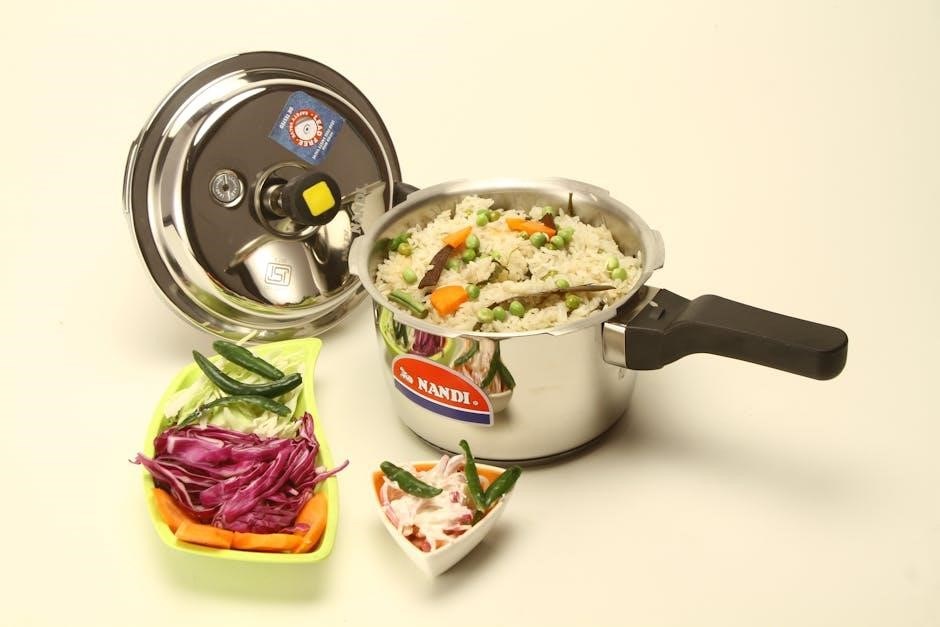
The Power Pressure Cooker XL, while primarily known for pressure cooking, can also be utilized for making yogurt and certain desserts․ Your owner’s manual likely won’t provide dedicated yogurt or dessert recipes, but it details temperature control – a crucial element for these applications․
Yogurt making typically involves heating milk to a specific temperature, cooling it, and then maintaining a warm environment for bacterial cultures to thrive․ The cooker’s sauté function and keep-warm setting can be helpful here․
Desserts like cheesecakes or bread puddings can be adapted for pressure cooking, though careful attention to timing is essential․ Explore online resources for recipes tailored to electric pressure cookers․
Cleaning and Maintenance

Regular cleaning, as detailed in your Power Pressure Cooker XL owner’s manual, ensures longevity and safe operation․
Disassemble components for thorough cleaning, paying close attention to the lid and sealing ring․
Disassembling and Cleaning Components
Your Power Pressure Cooker XL owner’s manual provides crucial guidance on safely disassembling the unit for cleaning․ Begin by ensuring the cooker is completely cool and unplugged․ Carefully remove the inner pot, washing it with warm, soapy water – it’s often dishwasher safe, but confirm in your manual․
The lid requires particular attention; detach the sealing ring and clean both thoroughly to prevent odor absorption․ The steam release valve and float valve should also be removed and inspected for blockages, cleaning as needed․
Avoid abrasive cleaners, which can damage surfaces․ Refer to the manual for specific component cleaning instructions, ensuring all parts are completely dry before reassembly․ Proper disassembly and cleaning maintain optimal performance and hygiene․
Cleaning the Lid and Sealing Ring
The Power Pressure Cooker XL owner’s manual emphasizes the importance of meticulous lid and sealing ring cleaning․ After each use, remove the sealing ring – it readily absorbs food odors and flavors․ Wash it with warm, soapy water, or even a mild vinegar solution, to neutralize smells․
Inspect the lid for any food particles lodged in the steam release valve or around the rim․ Clean these areas thoroughly․ The lid itself can usually be wiped down with a damp cloth, avoiding abrasive cleaners․
Ensure both the lid and sealing ring are completely dry before reassembly to prevent mold growth and maintain a proper seal․
Proper Storage Techniques
The Power Pressure Cooker XL owner’s manual advises storing the unit in a cool, dry place, away from direct sunlight․ Before long-term storage, ensure all components are completely dry to prevent mildew or corrosion․
The sealing ring benefits from being stored separately, ideally in a sealed plastic bag, to prevent it from permanently compressing or absorbing odors․ Avoid storing heavy items on top of the cooker, which could damage the lid or control panel․
Keep the manual readily accessible for future reference, especially regarding safety precautions and operating instructions․
Troubleshooting Common Issues (e․g․, Lid Won’t Seal)
The Power Pressure Cooker XL owner’s manual addresses common issues like a lid that won’t seal․ First, verify the sealing ring is correctly positioned and not damaged․ Ensure there’s no food debris obstructing the sealing surface․
Check the float valve; it must move freely․ Improper alignment of the lid with the base is another frequent cause․ If steam is escaping excessively during pressure build-up, it indicates a sealing problem․
Consult the manual’s troubleshooting section for specific error codes and their meanings, as these can pinpoint the issue․ Always prioritize safety and unplug the cooker before inspecting․
Troubleshooting & FAQs
Owner’s manuals for the Power Pressure Cooker XL provide solutions to error codes, steam leaks, and “burn” notices, alongside frequently asked operational questions․
Error Codes and Their Meanings
Understanding error codes is crucial for effective troubleshooting with your Power Pressure Cooker XL, and thankfully, the owner’s manuals detail these extensively․ While specific codes vary slightly between models (PPC770, PPC771, PPC772, PPC773, PPC790, PCXL-PRO6), common issues are consistently addressed․
For example, a code indicating a lid issue typically means the lid isn’t properly sealed or locked, requiring re-engagement of the locking mechanism․ Other codes might signal overheating, a sensor malfunction, or a pressure irregularity․ The manuals emphasize consulting the code list before attempting repairs, as ignoring an error could lead to damage or safety hazards․
Always refer to your specific model’s manual for the most accurate interpretation of error codes and recommended solutions․
Addressing Steam Leaks
Steam leaks during pressure cooking can be concerning, but the Power Pressure Cooker XL owner’s manuals offer clear guidance․ Minor steam release during the pressure build-up phase is normal․ However, excessive or continuous leaking indicates a potential issue․
Common causes include an improperly sealed lid, a damaged or incorrectly positioned sealing ring, or a blocked steam release valve․ The manuals emphasize checking the lid locking mechanism and ensuring the sealing ring is clean and properly seated․
For persistent leaks, consult the troubleshooting section of your model’s manual (PPC770, PPC771, etc․) before continuing use, prioritizing safety above all else․
Dealing with Burn Notices
Burn notices on your Power Pressure Cooker XL, as detailed in the owner’s manuals, typically indicate food is sticking to the bottom of the inner pot․ This often happens with thicker sauces or foods with high sugar content․
The manuals advise immediately releasing the pressure (quick release method) and carefully opening the lid․ Stir the contents thoroughly to prevent further sticking․ Adding more liquid can also help․
For recurring burn notices, consider using the sauté function to build flavors before pressure cooking, and ensure sufficient liquid is present․ Refer to your specific model’s manual (PPC770, PPC790, PCXL-PRO6) for detailed troubleshooting steps․
Frequently Asked Questions about Operation
Frequently Asked Questions, addressed in Power Pressure Cooker XL owner’s manuals (PPC771, PPC772, PPC773), often concern proper lid sealing․ Ensure the sealing ring is correctly positioned and clean․ Another common question involves pre-set programs; manuals clarify their default pressure settings (e․g․, 50kpa for standard cooking, 82․7kpa for canning)․
Users also inquire about the float valve’s role in pressure regulation․ The manual explains its function and how to check for proper movement․ Finally, questions arise regarding slow cooking – manuals detail how to utilize this feature effectively, offering guidance for various recipes․