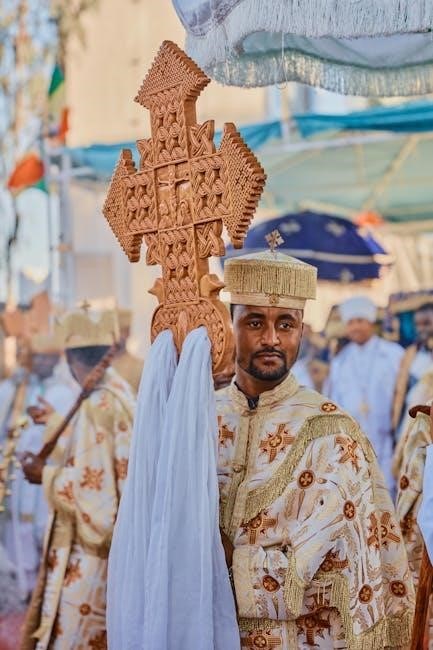
ethiopian orthodox fasting calendar 2024 pdf
Ethiopian Orthodox Fasting Calendar 2024 PDF: A Comprehensive Guide
This guide details the 2024 Ethiopian Orthodox fasting calendar, offering key dates, observances, and practice variations․
Access printable templates and resources for spiritual planning․
Ethiopian Orthodox fasting is a deeply ingrained spiritual practice, central to the faith and observed with remarkable dedication․ Unlike many Western Christian traditions, the Ethiopian Orthodox Tewahedo Church maintains several extended fasting periods throughout the year, totaling over 200 days․ These aren’t merely about abstaining from food; they represent a comprehensive spiritual discipline encompassing prayer, repentance, and almsgiving․
The 2024 Ethiopian Orthodox Fasting Calendar outlines these periods, providing believers with a roadmap for their spiritual journey․ Understanding the calendar is crucial for faithful observance, as it dictates not only when to fast, but also how․ The calendar’s accessibility, often in PDF format, ensures widespread availability of this vital information․ It’s a cornerstone of religious life, guiding individuals and communities through times of devotion and self-reflection․
The Significance of Fasting in the Ethiopian Orthodox Tradition
Fasting within the Ethiopian Orthodox Tewahedo Church transcends simple dietary restriction; it’s a holistic spiritual practice aimed at purifying the body and soul, drawing closer to God․ It’s believed to strengthen one’s spiritual resolve, foster humility, and enhance prayer life․ The 2024 Ethiopian Orthodox Fasting Calendar serves as a guide to these periods of intense devotion, each with unique historical and religious significance․
These fasts commemorate key events in the life of Jesus Christ, the Virgin Mary, and the Apostles․ Observing these times isn’t merely a ritual, but a participation in the sacrifices and struggles of the saints․ The calendar, often available as a PDF, facilitates communal observance and ensures adherence to tradition, reinforcing the faith’s core values and promoting spiritual growth within the community․
Overview of the 2024 Fasting Calendar
The 2024 Ethiopian Orthodox Fasting Calendar outlines nine major fasting periods, significantly shaping the liturgical year․ These aren’t uniformly observed; variations exist regarding start and end dates, often linked to sunset or midnight․ The calendar, frequently distributed as a PDF, details these nuances, aiding faithful adherence․ Key fasts include Great Lent (Abiy Tsom), the Fast of the Apostles (Hawariat), and the Nativity Fast (Tsome Dehanit)․
Beyond these major periods, weekly Wednesday and Friday fasts are consistently observed․ The calendar also assists in reconciling Ethiopian dates with the Gregorian calendar, crucial for understanding feast days and fasting schedules․ Accessing the PDF version provides a comprehensive resource for spiritual preparation and informed participation in these sacred observances․
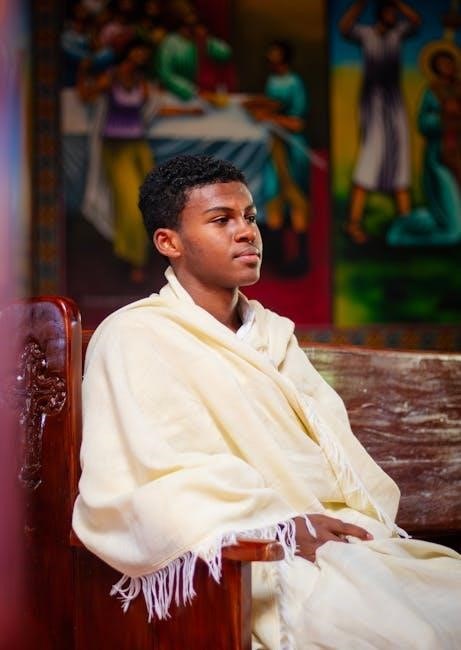
Major Fasting Periods in 2024
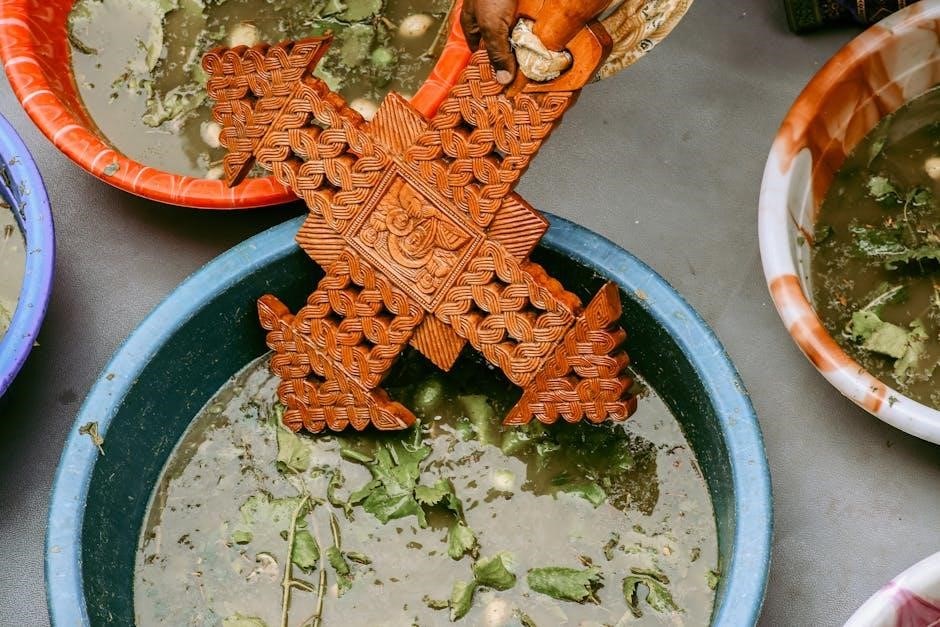
The Ethiopian Orthodox Church observes significant fasts in 2024, including Great Lent, the Apostles’ Fast, and the Assumption of Mary’s Fast, detailed in the calendar․
Great Lent (Abiy Tsom) ౼ Dates and Observances
Abiy Tsom, the 55-day Great Lent, is the most significant fasting period in the Ethiopian Orthodox tradition․ In 2024, it commenced on February 19th and concluded on April 7th․ This extended fast commemorates the forty days Jesus Christ spent in the desert, coupled with an additional fifteen days of preparation and remembrance․
Observances during Abiy Tsom are rigorous, involving complete abstinence from animal products – meat, dairy, and eggs – as well as restrictions on oil and spices․ Devout followers dedicate themselves to increased prayer, repentance, and charitable acts․ The fast isn’t merely dietary; it’s a holistic spiritual discipline aimed at purification and drawing closer to God․ Specific liturgical services and communal gatherings mark key milestones throughout the Lenten season, fostering a shared experience of faith and devotion;
The Fast of the Apostles (Hawariat) ⎯ Duration and Practices
The Fast of the Apostles, known as Hawariat, is a significant period of spiritual preparation and discipline within the Ethiopian Orthodox Tewahedo Church․ In 2024, this fast spanned from July 1st to August 29th, a substantial 55-day observance․ It commemorates the Apostles’ dedication to prayer and fasting after the ascension of Jesus Christ, awaiting the descent of the Holy Spirit at Pentecost․
Similar to Great Lent, Hawariat involves abstaining from animal products – meat, dairy, and eggs – and often includes limitations on oil and spices․ The practices emphasize humility, repentance, and increased devotion through prayer and scripture reading․ This period is considered a time for spiritual renewal and strengthening one’s relationship with God, mirroring the Apostles’ commitment to spiritual growth․
The Fast of the Assumption of Mary (Tsoma Aregawi) ⎯ Key Dates
Tsoma Aregawi, the Fast of the Assumption of Mary, honors the Virgin Mary’s passing into heaven and is a period of deep reverence within the Ethiopian Orthodox tradition․ In 2024, this fast commenced on August 1st and concluded on August 29th, encompassing a 29-day period of spiritual focus․ It’s a time for Ethiopian Orthodox Christians to reflect on Mary’s virtues and her pivotal role in salvation history․
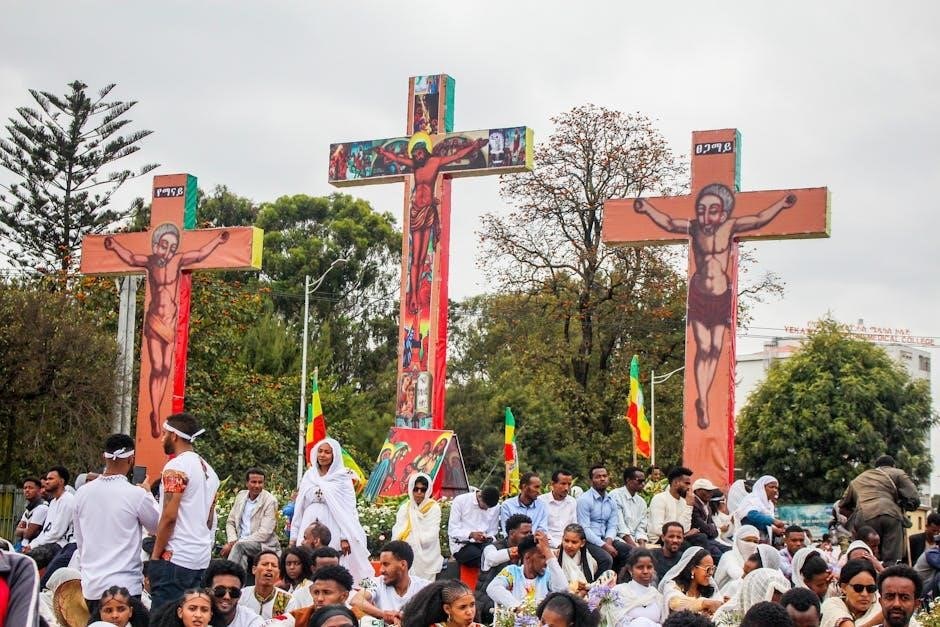
Observances typically involve abstaining from animal products, including meat, dairy, and eggs, mirroring the discipline of other major fasting seasons․ Devotees often intensify their prayer life, engage in charitable acts, and participate in liturgical services dedicated to the Virgin Mary․ This fast is considered a particularly blessed time for seeking Mary’s intercession and strengthening faith․

Other Important Fasting Periods
Beyond the major fasts, Ethiopian Orthodox Christians observe several others, including Tsome Nebiat, Tsome Dehanit, and Hawelti, each with unique durations and practices․
The Fast of the Prophets (Tsome Nebiat) ⎯ Timing and Guidelines
Tsome Nebiat, the Fast of the Prophets, is a significant period of spiritual preparation observed by Ethiopian Orthodox Christians․ In 2024, this fast commences on November 23rd and concludes on December 24th․ It serves as a time of repentance and anticipation leading up to the Nativity Fast and the celebration of Christmas․
During Tsome Nebiat, followers typically abstain from meat, dairy products, and often eggs․ Some adherents also limit their consumption of oil, adhering to a more stringent form of fasting․ The duration of 40 days mirrors the biblical accounts of prophetic periods of fasting and repentance․ This fast honors the Old Testament prophets and their messages of foretelling the coming of the Messiah․
Observing Tsome Nebiat is considered a vital component of spiritual discipline, fostering humility and drawing believers closer to God․ It’s a time for increased prayer, almsgiving, and reflection on one’s faith․
The Nativity Fast (Tsome Dehanit) ౼ Preparation for Christmas
Tsome Dehanit, the Nativity Fast, is a period of devout preparation for the celebration of Christmas within the Ethiopian Orthodox Tewahedo Church․ In 2024, this fast begins on November 14th at sunset and traditionally concludes on December 24th, though some observe it until December 25th․ This period mirrors the anticipation of the birth of Jesus Christ․
Similar to other major fasting seasons, Tsome Dehanit involves abstaining from animal products – meat, dairy, and eggs – and often includes limitations on oil consumption․ The fast’s length varies slightly based on tradition, but it consistently emphasizes spiritual purification․
Devotees dedicate themselves to prayer, repentance, and charitable acts during this time․ It’s a period of intense spiritual focus, aiming to create a receptive heart for the joyous celebration of Christ’s birth․
The Fast of Hawelti ౼ Observance Details
The Fast of Hawelti, a significant observance in the Ethiopian Orthodox Tewahedo Church, commemorates the Lenten fast observed by the Apostles․ While specific 2024 dates aren’t prominently detailed in readily available resources, it generally follows the conclusion of the Fast of the Assumption of Mary (Tsoma Aregawi)․
Traditionally, this fast spans a period of approximately two weeks, though the exact duration can vary․ Like other Ethiopian Orthodox fasts, it involves abstaining from animal products – meat, dairy, and eggs – and often restricts the use of oil․
The Fast of Hawelti is a time for intensified prayer, reflection, and spiritual discipline, honoring the apostles’ dedication and sacrifice․ It prepares the faithful for upcoming feasts and strengthens their connection with the apostolic tradition․
Weekly Fasting Practices
Ethiopian Orthodox Christians consistently observe weekly fasts on Wednesdays and Fridays, commemorating historical events and fostering ongoing spiritual discipline throughout the year․
Wednesday and Friday Fasting – A Consistent Discipline
The practice of fasting every Wednesday and Friday is a cornerstone of Ethiopian Orthodox Christian devotion, representing a consistent and enduring commitment to spiritual discipline․ These weekly fasts aren’t merely about abstaining from certain foods; they are deeply rooted in remembrance and repentance․ Wednesday’s fast commemorates the betrayal of Jesus Christ by Judas Iscariot, while Friday recalls the crucifixion and suffering of Christ․
During these days, observant followers typically abstain from meat, dairy products, and sometimes oil, adhering to dietary restrictions similar to those observed during longer fasting periods․ This regular practice serves as a continuous reminder of faith, a means of self-control, and a pathway to deeper communion with God․ It’s a tangible expression of humility and a dedication to a life centered on spiritual growth․
Variations in Fasting Strictness
While the Ethiopian Orthodox Church outlines specific fasting guidelines, the level of strictness observed can vary among individuals and communities․ Factors influencing this include age, health conditions, and individual spiritual capacity․ Some may adhere to a complete vegan diet throughout major fasts, abstaining from all animal products, including eggs and honey․
Others might allow for certain concessions, particularly for those with medical needs or physical limitations․ Monastics generally observe the most rigorous form of fasting, while laypeople may adapt the practices to their circumstances․ The duration of the daily fast – whether from sunset to sunset or midnight to midnight – also presents a variation in tradition․ Ultimately, the emphasis remains on sincere intention and a spirit of devotion․

Resources and Accessibility
Find the 2024 Ethiopian Orthodox fasting calendar PDF online, alongside schedules and information․ Resources aid understanding of dates, feasts, and traditions․
Finding the 2024 Ethiopian Orthodox Fasting Calendar PDF

Locating a reliable 2024 Ethiopian Orthodox Fasting Calendar PDF is crucial for observant followers․ Several websites dedicated to the Ethiopian Orthodox Tewahedo Church provide downloadable versions․ These calendars often detail not only the fasting periods but also major feast days and saint’s days throughout the year․
Webtrips is mentioned as a resource for reconciling documents with Ethiopian dates, which can be helpful when using the calendar․ Searching online using keywords like “Ethiopian Orthodox fasting calendar 2024 PDF” will yield numerous results․ Ensure the source is reputable to guarantee accuracy․ Many parishes also distribute printed copies to their congregations, offering a tangible resource alongside the digital PDF format․ Remember to check for updates as dates can sometimes vary slightly․
Online Resources for Fasting Schedules and Information
Numerous online platforms offer comprehensive information regarding the Ethiopian Orthodox fasting schedules for 2024․ Websites dedicated to Coptic Orthodox traditions often include details relevant to the Ethiopian Orthodox Church, given their shared liturgical roots․ These resources frequently present fasting periods alongside associated biblical and liturgical insights․
Exploring these sites can enhance understanding of the spiritual significance behind each fast․ Beyond simple date listings, some platforms offer guidance on appropriate dietary practices and devotional activities․ Remember to cross-reference information from multiple sources to ensure accuracy․ Accessing these resources provides convenient access to the calendar and deeper knowledge of the fasting traditions․
Understanding Ethiopian Date Conversions
The Ethiopian calendar differs significantly from the Gregorian calendar commonly used internationally․ It’s approximately seven to eight years behind, meaning dates in 2024 on the Gregorian calendar correspond to dates in 2016 or 2017 on the Ethiopian calendar․ This discrepancy is crucial when referencing the Ethiopian Orthodox fasting calendar, as dates are presented according to their system․
When utilizing a 2024 Ethiopian Orthodox fasting calendar PDF, remember to account for this difference when correlating it with the Gregorian calendar for practical planning․ Resources often assist in reconciling documents and understanding saints’ days using Ethiopian dates․ Accurate conversion is vital for correctly observing fasting periods and religious feasts․
Fasting Rules and Dietary Restrictions
Ethiopian Orthodox fasting involves abstaining from animal products, including meat, dairy, and eggs․ Specific permitted and prohibited foods vary based on fasting period strictness․
Permitted and Prohibited Foods During Fasting
During Ethiopian Orthodox fasting periods, a strict dietary regimen is followed, significantly restricting food choices․ Generally, all animal products are prohibited, encompassing meat – including beef, lamb, and poultry – as well as dairy products like milk, cheese, and butter․ Eggs and any foods containing these ingredients are also avoided․
Permitted foods primarily consist of plant-based options․ Vegetables, fruits, grains (such as teff, wheat, and barley), legumes (beans, lentils), and nuts are staples․ Certain oils, like olive oil, are often allowed, though usage may be limited depending on the specific fast․ Spices are generally permitted to enhance flavor․
However, variations exist․ Some fasts are more lenient than others, and individual interpretations can influence dietary practices․ It’s crucial to consult detailed fasting guidelines for each specific period to ensure adherence to the Orthodox tradition․
Exceptions to Fasting Rules
While Ethiopian Orthodox fasting is rigorous, certain exceptions acknowledge life’s necessities and specific circumstances․ Individuals with medical conditions, such as diabetes or pregnancy, are often exempt from the full strictness of the fast, allowing for dietary adjustments under a priest’s guidance․
Young children and the elderly may also have modified fasting requirements, prioritizing their health and well-being․ Travelers facing limited food options may be granted temporary leniency․ Furthermore, those performing physically demanding labor might receive dispensation to consume more substantial meals․
These exceptions aren’t viewed as compromises but as compassionate allowances recognizing individual needs․ It’s essential to seek counsel from a spiritual advisor to determine appropriate modifications, ensuring the spirit of fasting is maintained while respecting personal limitations․
Impact of Fasting on Spiritual Life
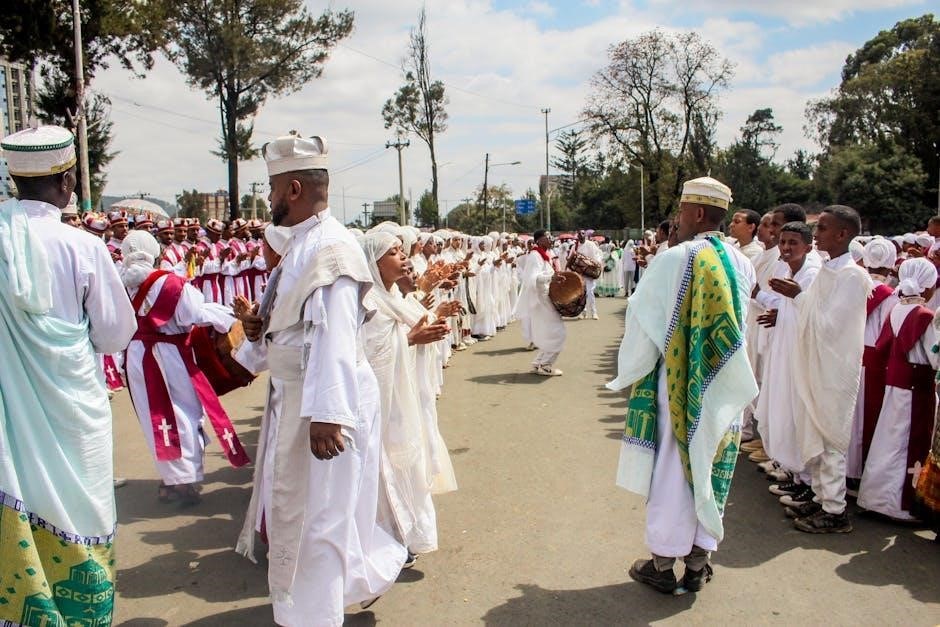
Fasting within the Ethiopian Orthodox tradition profoundly shapes spiritual life, extending far beyond dietary restrictions․ It’s a dedicated period for intensified prayer, repentance, and self-reflection, fostering a deeper connection with God․ Abstaining from food is seen as a means to subdue bodily desires, allowing the spirit to ascend and focus on divine matters․
The discipline of fasting cultivates humility, compassion, and empathy for those less fortunate․ It encourages mindful consumption and gratitude for blessings․ Observing these periods collectively strengthens community bonds and shared faith․
Ultimately, fasting isn’t about deprivation but spiritual enrichment, preparing the soul for greater receptivity to God’s grace and a more virtuous life․